ForeverLawn: Discover the Sustainable Innovations Behind Our Green Promise
- Kelly Oakes

- Apr 29
- 3 min read
Creating a beautiful, green outdoor space often comes with a hidden cost: water waste, chemical use, and ongoing maintenance. ForeverLawn artificial turf offers a sustainable alternative that keeps your lawn looking lush year-round without the environmental drawbacks of natural grass. This post explores how ForeverLawn’s products contribute to sustainability while enhancing your green space.
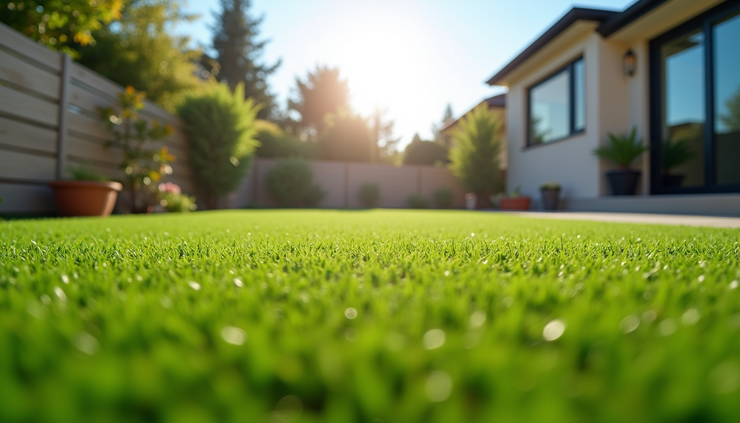
Saving Water with Artificial Turf
One of the most significant environmental benefits of ForeverLawn artificial turf is its ability to drastically reduce water consumption. Traditional lawns require frequent watering to stay healthy, especially in dry climates or during summer months. This can lead to thousands of gallons of water used annually per household.
Water conservation: ForeverLawn turf does not need watering, saving up to 55 gallons of water per square foot each year.
Drought resistance: In areas facing water restrictions or drought, artificial turf remains green and usable without any irrigation.
No runoff pollution: Since there is no need for fertilizers or pesticides, artificial turf eliminates chemical runoff that can pollute local waterways.
By switching to ForeverLawn, homeowners and businesses can significantly reduce their water footprint while enjoying a consistently green lawn.
Reducing Chemical Use and Pollution
Maintaining natural grass often involves applying fertilizers, herbicides, and pesticides to keep weeds and pests at bay. These chemicals can harm beneficial insects, contaminate soil, and enter water systems.
ForeverLawn artificial turf eliminates the need for these chemicals because:
It is weed-resistant, reducing the need for herbicides.
It does not attract pests that require pesticide treatments.
It avoids fertilizer use, preventing nutrient runoff.
This reduction in chemical use supports healthier ecosystems and safer outdoor environments for children and pets.
Lower Carbon Footprint from Maintenance
Natural lawns require regular mowing, edging, and trimming, often powered by gas or electric equipment. This maintenance contributes to carbon emissions and noise pollution.
ForeverLawn turf requires minimal upkeep:
No mowing or trimming needed.
Occasional brushing to keep fibers upright.
Simple cleaning with water or mild soap.
By cutting out gas-powered lawn equipment, ForeverLawn helps reduce greenhouse gas emissions and noise, making your outdoor space more eco-friendly and peaceful.
Durability and Longevity
A sustainable product must last. ForeverLawn artificial turf is designed to withstand heavy use and harsh weather conditions without fading or degrading quickly.
Long lifespan: Most installations last 10 to 15 years or more.
Resistant to wear and tear: Suitable for playgrounds, sports fields, and high-traffic areas.
Recyclable materials: Some ForeverLawn products incorporate recyclable components, supporting circular economy principles.
This durability means fewer replacements and less waste over time compared to natural grass that may need reseeding or resodding.
Enhancing Usability and Accessibility
Artificial turf creates a consistent, even surface that is usable year-round regardless of weather. This benefit supports sustainability by encouraging outdoor activity without the need for resource-intensive lawn care.
All-weather use: Turf drains quickly and does not turn muddy.
Safe for children and pets: Non-toxic materials and clean surface.
Accessible for all: Smooth surface ideal for wheelchairs and strollers.
By making green spaces more accessible and enjoyable, ForeverLawn promotes outdoor living and community engagement without environmental compromise.
Cost Savings Over Time
While the initial investment in artificial turf can be higher than planting grass seed or sod, the long-term savings are substantial.
Lower water bills: No irrigation needed.
Reduced maintenance costs: No lawn care services or equipment.
Fewer replacements: Durable turf lasts many years.
These savings make ForeverLawn an economically sustainable choice that also benefits the environment.
Practical Examples of Sustainable Use
Several communities and organizations have adopted ForeverLawn turf to improve sustainability:
Schools: Installing turf playgrounds reduces water use and chemical exposure for children.
Parks: Artificial turf areas handle heavy foot traffic without damage or muddy patches.
Residential yards: Homeowners save water and maintenance time while enjoying a green lawn year-round.
These examples show how ForeverLawn supports sustainable living in diverse settings.


Comments